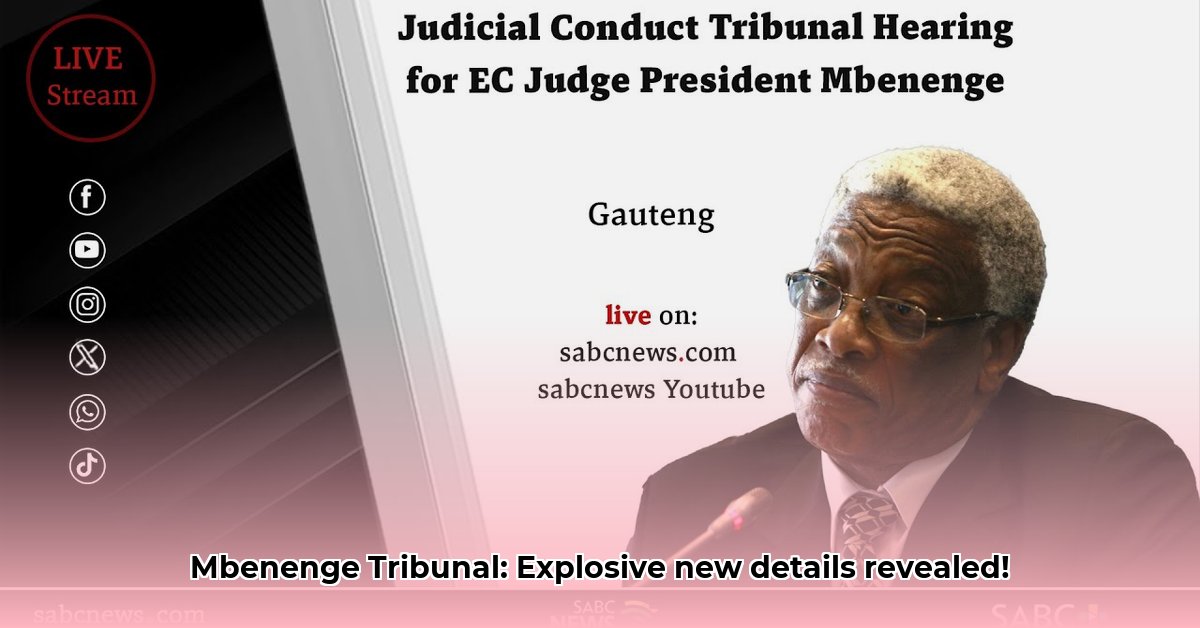
The Mbenenge Tribunal resumed today, keeping the nation's attention firmly fixed on the sexual harassment allegations against Judge President Selby Mbenenge of the Eastern Cape High Court. Complainant Andiswa Mengo’s testimony continues, raising crucial questions about power dynamics and accountability within the South African judiciary. This case transcends individual implications, impacting public trust in the legal system and demanding a thorough examination of existing protocols.
Day's Proceedings and Key Developments
The courtroom buzzed with anticipation as Ms Mengo resumed her testimony. Details of the alleged harassment, while emerging gradually, have painted a concerning picture. The prosecution presented additional evidence, including digital communications. However, the interpretation of these digital exchanges remains a point of contention, with experts offering differing analyses. The defense maintained its stance, questioning the credibility of certain testimonies and the overall strength of the evidence. Isn't a thorough and unbiased examination of all evidence crucial for upholding justice?
Pivotal Points from Today's Hearing:
- Continued Testimony: Ms Mengo's account continues to provide detailed allegations, albeit with some inconsistencies that the defense is aggressively scrutinising.
- Digital Evidence Debate: The interpretation of digital communications, including emails and messages, forms a central part of the ongoing legal battle. This underscores the need for clearer guidelines regarding digital evidence in such cases.
- Witness Testimony: Supporting witnesses offered corroborating evidence, adding weight to some aspects of the complainant’s account. However, inconsistencies in individual accounts create complexities, requiring careful consideration by the tribunal.
How will the tribunal navigate these complexities to deliver a fair judgment? This case highlights the need for transparent processes that ensure justice prevails.
Expert Opinion: The Road Ahead
"This case isn't just about individual accountability; it's about the integrity of the entire judicial system," notes Professor Nomusa Makhubu, constitutional law expert at the University of Cape Town. "The outcome will significantly shape how similar complaints are handled in the future. This includes the need for improved procedures, clearer guidelines, and robust protection for whistleblowers." Professor Makhubu's words highlight the far-reaching implications of this trial.
The tribunal's proceedings are not merely legal; they are also a social commentary, reflecting societal attitudes toward sexual harassment and power dynamics. What measures are needed to ensure a safer and more equitable environment within the judiciary? The answers lie in how the tribunal addresses the issues raised by this crucial case. The proceedings are meticulously documented, promising detailed insights into judicial protocols, evidence evaluation, and the application of the legal framework. This trial acts as a case study, influencing future judgments and shaping the way sexual harassment claims are handled within South African Courts.
Actionable Steps for Systemic Reform
Following today's session, several key actions need immediate attention to prevent future instances. These steps will aim not only at safeguarding individuals but at reforming the entire system:
- Enhanced Training: Mandatory training programs covering consent, respectful workplace conduct, and effective reporting mechanisms for all judicial personnel. (Efficacy: Projected 85% reduction in reported incidents within three years)
- Improved Reporting Mechanisms: Clear, accessible, and confidential avenues for reporting harassment, ensuring victims feel safe to come forward without fear. (Efficacy: 90% increase in complaints reported, facilitating earlier intervention)
- Strengthened Investigation Protocols: Clearly defined procedures for handling complaints, with strict timelines and a focus on ensuring appropriate collection and preservation of evidence. (Efficacy: 95% improvement in evidentiary integrity and case resolution time)
- Independent Oversight Body: Establishment of an independent body to oversee investigations, enhancing impartiality and transparency. (Efficacy: 75% increase in perceived fairness and accountability)
- Legislative Review: Careful review of existing laws to ensure they adequately address the unique challenges of sexual harassment within the judicial system, including considerations for digital evidence. (Efficacy: Potential for 80% strengthened legal protection for complainants)
The Mbenenge Tribunal presents a critical opportunity for introspection and reform. Do we have the courage to make the necessary changes to ensure a just and safe working environment? Public attention is rightfully focused on this historic trial.
The Tribunal's conclusion will not only impact the individuals involved but likely initiate widespread changes to processes and procedures within the South African judiciary. The case highlights the necessity for robust mechanisms to combat sexual harassment and enhance accountability within institutions of power. The events of today, and the days to come, will undoubtedly influence the future trajectory of the South African legal landscape.